Pilates History
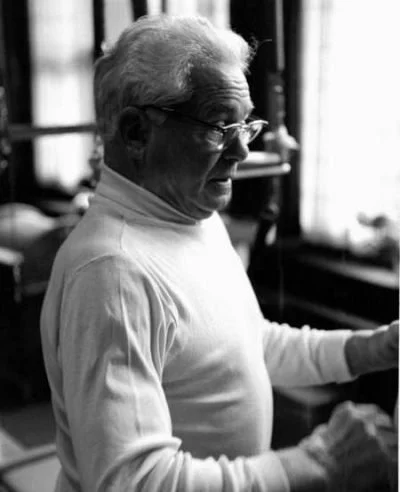
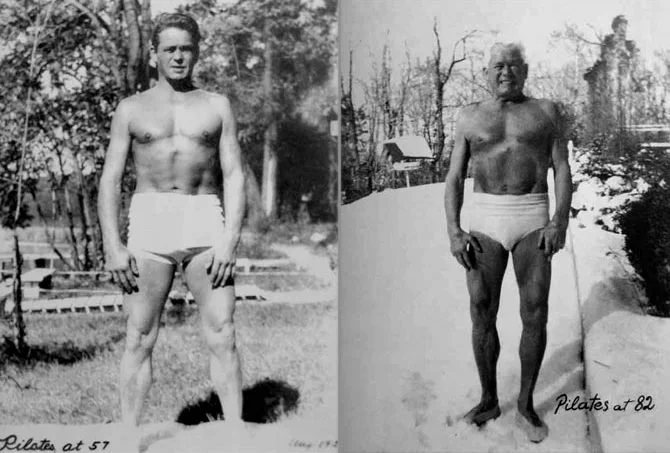
Joseph Pilates was born in 1883 in Mönchengladbach, Germany. As a child, he was frail and sickly — suffering from asthma, rickets, and rheumatic fever. He refused to accept his limitations. He dedicated his life to overcoming his own physical weakness, studying bodybuilding, wrestling, yoga, gymnastics, and ancient Greek and Roman exercise regimens. He believed that modern lifestyle — poor posture, shallow breathing, sedentary work — was the root of poor health. His method, which he called Contrology, was his answer.
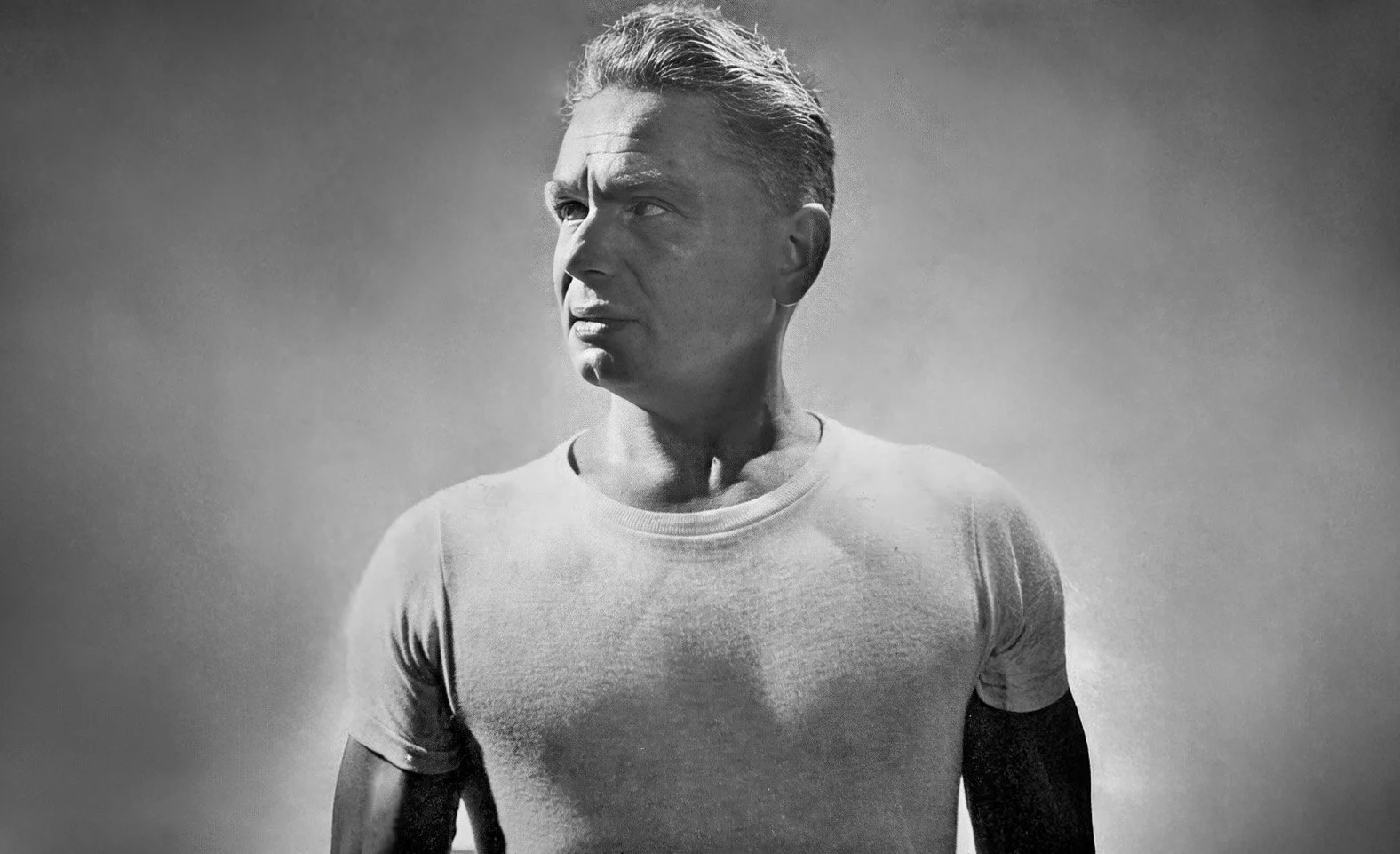
What is Classical Pilates?Classical Pilates is a physical training method named after its creator, Joseph Pilates, who developed it almost 100 years ago. Joseph Pilates called his method Contrology, and he described it as " the complete coordination of mind, body, and spirit." It is an effective, safe method of exercise that is performed on a specialist apparatus. Classical Pilates is a detailed system of exercises that help to increase strength, flexibility, co-ordination, balance, control and is a highly effective way to prevent and recover from injury.
At KONTROL HAUS, we teach this method exactly as it was designed.
What is the Powerhouse?The Powerhouse is the center of the body — the abdomen, lower back, hips, buttocks and inner thigh. Joseph Pilates called it the "girdle of strength." Every movement in Classical Pilates begins here. Every breath returns here.
It is the house within. Your entire practice is built from this center.
What is the difference between Classical Pilates and the Pilates you see at most studios today?Modern Pilates — often called contemporary or modern Pilates — takes pieces of the original method and mixes it with other fitness trends: yoga, strength training, physical therapy, even cardio. The order is changed. Exercises are added or removed. Apparatus is modified.
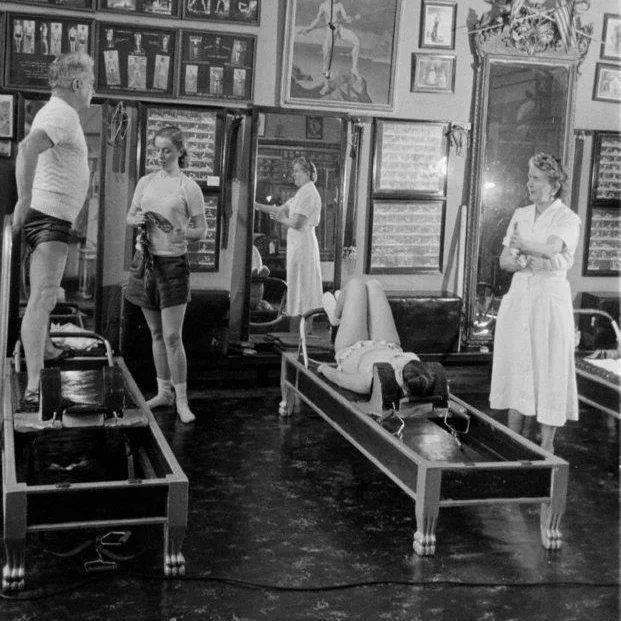
Classical Pilates is the original method developed by Joseph Pilates, also known as Contrology. It is taught using the complete system of apparatus — Reformer, Cadillac, Wunda Chair, Ladder Barrel, and more. The exercises follow the order and rhythm that Joseph Pilates designed, with the goal of building control, strength, and connection to your Powerhouse.
What is the story behind the name "Pilates"?Joseph Pilates called his method Contrology during his lifetime. After his death in 1967, the name "Pilates" began to be used by his students and followers to refer to the method. In the 1990s, a court ruled that "Pilates" had become a generic term, like yoga or tai chi. This is why today, anyone can call their method Pilates — even if it bears little resemblance to what Joseph Pilates taught. This is also why we use both names: Classical Pilates and Contrology.
Why does Classical Pilates follow an order?Because the exercises weren’t designed as a random collection of movements.
The authentic sequences have a structure and progression. Exercises prepare the body for what comes next, and as your strength, control and understanding develop, the system progresses with you.
The goal isn’t simply to collect more exercises.
It’s to understand the connections between them.
Did Joseph Pilates write any books?Yes. Joseph Pilates wrote two books:
Your Health (1934) — A critique of modern lifestyle and an introduction to his philosophy.
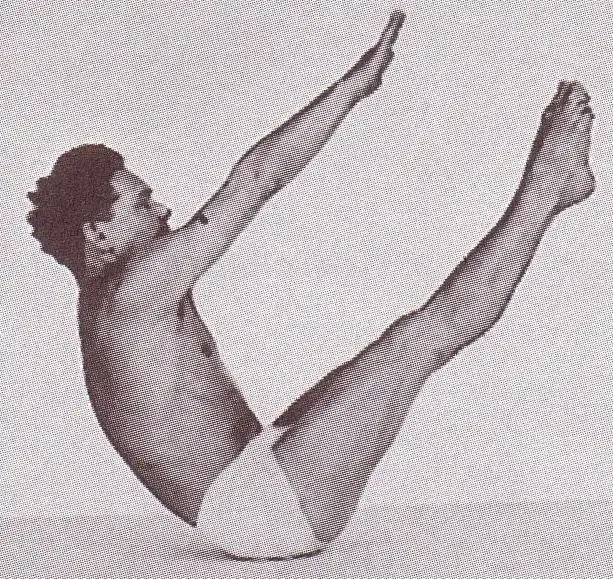
Return to Life Through Contrology (1945) — His complete method, illustrated with photographs of Joseph Pilates himself performing 34 mat exercises. This book is still in print today and is considered the foundation of Classical Pilates.
At KONTROL HAUS, we teach from this original work.